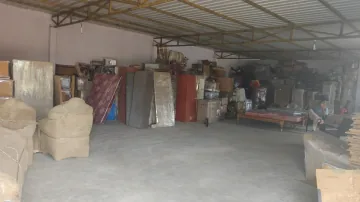
Short and long-term storage for household goods, furniture, boxes and business stock. It suits a gap between homes, a renovation, or time away. Storage is arranged on request and subject to availability, with the location, access, monthly rent and release terms agreed in writing before your goods are collected.
Whole home or a few boxes
Itemised inventory at intake
Partial retrieval by arrangement
Pickup and return delivery on request
Interactive Estimation Tool
Storage Volume and Monthly Rent Planning Calculator
Choose your home size or goods type and how long you expect to store them. The tool gives a rough guide to packed volume, floor space and monthly rent. Your actual quote depends on a survey of what you are storing.
About this estimate: it shows monthly rent only. Check whether packing, pickup, intake handling, retrieval and return delivery are included or charged separately. List each cost once in the written quote. Home size is a rough guide, so your packed volume and the space allocated can differ once your goods are surveyed. Any longer-term discount applies only as stated in your written quote.
Estimated Monthly Storage Rent
₹2,500 – ₹4,500 / mo
Volume: 250 – 450 CFT Area: 50 – 100 Sq. Ft. 2 – 4 Heavy Duty Pallets
Perfect for home renovation, gap between rental agreements, or temporary job relocations.
The displayed space and supports are modelled planning ranges, not an allocated bay or a safe stacking instruction. This calculator uses its existing 10% and 15% long-duration assumptions. Confirm the eligible offer and final space after inventory assessment; it does not replace a quote.
HOW STORAGE WORKS
Choosing Storage for Your Goods and Access Needs
People need storage for different reasons: a renovation, waiting for a new flat, a posting abroad, or business stock that has outgrown the office. The right arrangement depends on how often you will need your things back and who will be handling them.
With managed storage, access and release go through the storage desk. Self-access usually means visiting an assigned unit during permitted hours. Which arrangement is available depends on your city and dates. Before you agree, confirm the facility's location, access arrangements, and who is responsible for your goods at each stage.
Is your item suitable for storage?
Usually suitable: clean, dry furniture, cartons, clothes, books, kitchenware and appliances prepared as their manuals direct.
Needs assessment first: artwork, pianos, other instruments, antiques, leather, important documents and electronics sensitive to heat or damp. Ask what conditions the facility can actually provide before storing them.
Not accepted: perishables, flammables, gas cylinders, chemicals, live plants and the other items listed further down this page.
Ask about the actual facility, access arrangements and conditions proposed for your goods.
Storage for Household and Business Goods
From a few boxes to a full home or a business's stock, each storage request is assessed and quoted on what you are storing and how you need to access it.
Household Goods Storage
For renovation gaps, delayed possession or a temporary transfer. Beds, furniture, appliances and kitchenware are packed, recorded and stored as one lot, then returned to the address you choose.
Packing chosen for each item
Every carton numbered on the inventory
Monthly terms agreed in writing
Furniture Storage
Solid wood, engineered wood and upholstered furniture is wrapped so its surfaces are protected and air can still circulate, and stored off the floor where possible. Agree safe stacking and protection for heavy or delicate pieces before intake.
Soft wrapping and corner protection
Condition noted at intake
Placement agreed for delicate pieces
Boxes and Luggage Storage
For students between terms, people between flats, or anyone working away for a few months. Suitcases and cartons are stored and returned by appointment.
Guide from ₹600 a month
Numbered, sealed cartons
Pickup and drop on request
Business Stock and Pallet Storage
For retailers and small businesses that need space for stock, store cartons or equipment. Storage is assessed for the volume, how often stock goes in and out, and the handling it needs.
Billing basis agreed in the quote
Stock list kept by box or pallet number
Dispatch handling assessed separately
Office Records and Document Storage
For files and records your business needs to keep but not use daily. Boxes are numbered and sealed, and the index of what each holds stays with your authorised staff.
Box numbers only on labels
Release authorisation agreed in advance
Retrieval by arrangement
Delicate and High-Value Items
Artwork, instruments, antiques and electronics that are sensitive to heat or damp need the right conditions. These are assessed individually, and we will tell you what can and cannot be provided before you decide.
Individual assessment
Crating quoted where needed
Cover terms discussed before storage
PREPARING FOR STORAGE
Preparing Goods for Storage
Damp, dirty or unprepared items can deteriorate while stored. Start with cleaning, drying and the preparation your items need, then match the wrapping and storage conditions to them.
Clean and fully dry
Wash and dry linen, clothes and soft furnishings fully before packing. Wipe furniture and let it dry. Moisture sealed in a carton can lead to mildew.
Prepare appliances by the manual
Defrost, drain, clean and dry refrigerators and washing machines as their manuals direct, and leave doors as the maker advises. Fit transport bolts if your washing machine model needs them.
Wrap to protect, not to seal
Furniture gets a soft layer and corner protection. Avoid sealing wood or leather tightly in plastic for long periods. Ask how long-term items will be wrapped.
Keep goods off the floor
Ask whether goods will sit on pallets or racks, and how cartons will be stacked so heavy items do not crush lighter ones.
Ask about conditions
For artwork, instruments, leather or documents, ask what the facility's ventilation, damp and pest arrangements are, and whether they suit your item, before agreeing to store it.
Keep chemicals out
Do not spray pesticides or add chemical treatments to furniture or appliances yourself. If you are concerned about pests, raise it when choosing the facility.
Questions to Ask About the Storage Facility
Before agreeing to store, ask these questions and get the answers in writing. They tell you more than a list of features.
Where is it? The facility's location, and who is responsible for your goods there.
Who can enter? How access to stored goods is controlled, and who can authorise release.
How are goods kept? Off the floor or on racks, and how the lot is separated from other customers' goods.
Damp and pests: what arrangements are in place, and how often the storage area is checked.
Fire safety: what fire detection and safety equipment the building has.
Records: what inventory and condition record you receive at intake, and how retrievals are recorded.
FROM PICKUP TO RETURN
How Storage Runs from Pickup to Return
Survey and written quote
We assess what you are storing by video or in person. The quote states the monthly rent, packing, pickup, intake, retrieval and return delivery charges, the minimum period, and the notice needed for release.
Packing
Goods are packed with materials chosen for each item. Cartons you want back early are marked at this stage.
Inventory and condition record
Every carton and furniture piece gets a number on the inventory, with existing marks noted. You check and sign the inventory and keep a copy.
Transport and intake
Goods are transported to the facility and checked in against the inventory. Ask for confirmation of the count at intake.
Storage period
Rent is billed as agreed in the quote. Partial retrievals are arranged by appointment using the inventory numbers.
Release and return delivery
Give the notice period stated in your quote. Goods are counted out against the inventory, delivered to the address you confirm, and unloaded. Reassembly and unpacking are done if included.
Indicative Household and Commercial Storage Charges in India
These are provisional monthly rent guides for planning. They are not a fixed tariff. Your quote depends on the surveyed volume, how goods are stored, how long you need storage and how often you need access. Any deposit, minimum period or early-exit terms are stated in your written quote.
Storage Configuration
Approx. Volume (CFT)
Floor Space (Sq. Ft.)
Indicative Monthly Rental
Points to confirm
Ideal Requirement
Luggage / Box Micro-Storage (1 – 5 Boxes)
20 – 40 CFT
15 – 30 sq. ft.
₹600 – ₹1,500 / month
Carton count, retrieval appointments
Students, Bachelors, Working IT Professionals
1 BHK Complete Household Goods
250 – 450 CFT
50 – 100 sq. ft.
₹2,500 – ₹4,500 / month
Packed volume, appliance preparation
Home Renovation, Flat Shifting Gap
2 BHK Complete Household Goods
500 – 800 CFT
100 – 180 sq. ft.
₹4,500 – ₹7,500 / month
Space allocated, stacking, partial access
Delayed Builder Possession, Expat Travel
3 BHK Complete Household Goods
900 – 1,400 CFT
180 – 280 sq. ft.
₹7,500 – ₹12,000 / month
Space allocated, delicate items, release notice
Overseas Deputation, Complete Home Relocation
4 BHK / Large Villa / Luxury Furniture
1,500+ CFT
300+ sq. ft.
₹12,000 – ₹20,000 / month
Large items, crating, access needs
Estate Renovations, Sabbaticals, Luxury Goods
Commercial B2B Pallet Inventory
Per Pallet / Per CFT
Bulk Floor Area
₹25 – ₹45 / sq. ft. / month
Billing basis, in-and-out frequency, handling
E-Commerce Brands, Retailers, MSME Stocks
Rent is only part of the cost. Check the written quote for packing, pickup, intake, retrieval and return delivery, including which are included and which are extra. Count each charge once. Applicable GST is shown on the invoice; the rate depends on how the services are classified. Any discount for a longer storage period applies only as stated in your written quote.
Duration, Billing and Existing Booking Benefits
Short-term storage starts from 15 days, subject to availability; monthly rent follows a 30-day billing cycle. Confirm the amount payable for a short stay, an extension and the final part-cycle in the written quote. There are zero lock-in penalties after your agreed tenure.
Advertised long-term offers are up to 15–20% for upfront six- or twelve-month bookings. Eligibility and the actual discount are confirmed in your quote. The calculator models 10% or 15% for its selected duration, so it is a budget tool rather than confirmation of the offer for your goods.
Your accepted quotation continues to govern its agreed inclusions, discount, release and exit benefits. Ask how packing, pickup, intake, access and return delivery are counted; do not add an already included charge twice.
Packed Volume, Floor Space and Your Total Cost
Cubic feet and square feet measure different things
Storage is often described in cubic feet (CFT), which is volume, and in square feet, which is floor area. They don't convert directly.
An illustration: a packed item measuring 4 ft × 2 ft × 2 ft takes up 16 CFT. Its base covers 8 sq ft of floor. If items can be stacked safely, more volume fits on the same floor. If they can't be stacked, such as a sofa or a delicate table, they need more floor space for their volume. Space for aisles and access also adds to what is allocated.
That is why home size is only a rough guide. Your quote should state the basis it uses, whether volume, floor area or pallets, so you can compare quotes fairly.
Worksheet: the full cost of storage
Cost item
When it applies
Packing materials and labour
Once, before storage
Pickup and transport to the facility
Once, at the start
Monthly rent × number of months
Each month, at the agreed basis
Partial retrieval visits
Each time you need items back
Return delivery and unloading
Once, at the end. This can differ if the delivery address changes.
Reassembly and unpacking
At the end, if included
Transit or storage cover
If you choose it, priced by the cover provider
Applicable GST
On each invoice
Managed Storage, Local Godowns and Self-Storage
Different kinds of storage suit different needs. Whichever you choose, check the points in the last column.
Type
How it usually works
What to check
Managed storage with a mover
Goods are packed, collected, recorded, stored and returned by the moving company
Inventory at intake, retrieval appointments, all costs beyond rent, and who is responsible for your goods at each stage
Local godown
Space rented in a local building; you usually arrange transport
Whether goods are kept off the floor, damp and pest conditions, records, and who can enter
Self-storage unit
A unit you can reach yourself during the facility's hours
Unit size versus your packed volume, access hours, and transport to and from the unit
GETTING ITEMS BACK
Getting Some Items Back During Storage
You may need winter clothes, festival items or papers before your final move. Retrieval is easier when it's planned at packing.
Plan which boxes you'll need first
Keep medicines, documents, jewellery and anything you need daily with you, not in storage.
Mark cartons you may want back on the inventory and pack them separately, so they can be reached without moving everything else.
Note those carton numbers somewhere you can find them easily.
When you need something back
Contact the storage desk with the carton or item numbers from your inventory.
Agree a date, whether you will collect or need delivery, and any charge for the visit.
When items are released, sign for them against the inventory and keep a note of what remains in storage.
Keep a clear record of your goods at each stage. That is what any later question or claim relies on.
At pickup: the signed inventory with carton numbers and condition notes.
At intake: confirmation that the count matches the inventory.
At each retrieval: a signed note of what was released and what remains.
At final release: the count out against the inventory, with any difference noted before you sign.
Cover: a facility's own building insurance does not automatically cover your goods. Cover for transport to the facility, storage itself, and return delivery may also be separate. If you want your goods covered, ask the cover provider which stages are included, what is excluded, how values are declared, the premium and the claim process.
GST: a GST invoice is issued for storage and related services. The rate depends on how the services are classified. Businesses should confirm input tax credit eligibility with their accountant.
Safety Compliance
Permitted vs. Strictly Prohibited Storage Items
To comply with National Fire Safety Codes, environmental laws, and insurance regulations, we maintain strict guidelines on allowable storage items.
Artwork, pianos, other instruments, antiques, leather and electronics sensitive to heat or damp are assessed before storage. See "Is your item suitable for storage?" above.
STORAGE ENQUIRIES BY CITY
Storage Enquiries in Major Cities
Storage availability and facility location are confirmed for your city and dates when you enquire. Use the city pages for local moving details.
How are stored household and business goods kept secure?
Before agreeing to store, ask where the facility is, how access to stored goods is controlled, who can authorise release, how your lot is kept apart from other goods, and what fire safety equipment the building has. Keep your signed inventory and check the count at intake and at every release.
What is the minimum and maximum storage period?
Storage starts from 15 days, subject to availability, and can run for several months or longer. Monthly rent follows a 30-day billing cycle; confirm the charge for a short stay or final part-cycle before booking. There are zero lock-in penalties after your agreed tenure. Keep your written quote for the minimum period, release notice and any extension terms.
How are furniture and electronics protected from monsoon damp?
Start with goods that are clean and fully dry, and appliances prepared as their manuals direct. Furniture gets a soft wrap and corner protection without being tightly sealed for long periods, and goods should sit off the floor. Ask the facility about its ventilation and damp checks. For items sensitive to damp, ask whether the conditions suit them before storing.
What are household storage charges per month?
As provisional guides: about ₹600–₹1,500 a month for a few boxes, ₹2,500–₹4,500 for a 1 BHK, ₹4,500–₹7,500 for a 2 BHK, ₹7,500–₹12,000 for a 3 BHK and ₹12,000–₹20,000 for a 4 BHK or villa. Business pallet storage is about ₹25–₹45 per sq ft per month. Check whether packing, pickup, retrieval and return delivery are included or extra; compare the total as well as monthly rent.
Can I take out some boxes during the storage period?
Yes, by arrangement. Give the carton numbers from your inventory, agree a date and whether you will collect or need delivery, and check any charge for the visit. It helps to mark boxes you may need early when packing, so they can be reached without moving everything else.
Are stored goods covered by insurance?
Check the cover written into your storage arrangement. A facility’s building insurance alone does not necessarily cover your goods, and transport to storage, storage itself and return delivery may need separate cover. If you want cover, ask the provider which stages are included, the exclusions, how values are declared, the premium and the claim process.
Do you collect and deliver goods, or do I bring them myself?
Packing, pickup and return delivery can be arranged; the quote should state whether they are included in a package or charged separately from rent. Return delivery is planned for the address you confirm at release; if that address changes, the delivery charge may change too. Reassembly and unpacking can be included if you ask.
How is monthly storage rent billed?
Monthly rent is billed on a 30-day cycle with a GST invoice. Advertised upfront six- or twelve-month offers are up to 15–20%, with eligibility and the actual discount confirmed in your quote. The calculator uses its existing 10% and 15% assumptions, so its result is a planning estimate. Agree the payment schedule and any short or final billing period in writing and keep each payment receipt.
What items cannot be stored?
Perishable food, flammable liquids, fuel, gas cylinders, chemicals, fireworks, firearms and ammunition, illegal goods, cash and jewellery, and live plants or animals. Artwork, instruments, leather and documents are assessed before storage.
What record of custody do I receive?
You receive a signed inventory with carton numbers and condition notes when goods are collected. Ask for confirmation of the count at intake, a signed note at each retrieval, and a count against the inventory at final release.
How is wooden and leather furniture protected in storage?
Furniture should be clean and dry, wrapped with a soft layer and corner protection, kept off the floor and not stacked under heavy items. Avoid sealing wood or leather tightly in plastic for long periods. Do not apply pesticides or chemical treatments yourself; if you are concerned about pests, ask about the facility's arrangements.
Can businesses store stock on a pallet basis?
Business storage is assessed for the volume, how often stock goes in and out, and the handling it needs. The billing basis, whether floor area, pallets or volume, is agreed in the quote. Dispatch or fulfilment handling, if needed, is assessed separately.
Will a 1 BHK always fit in the space shown in the guide?
Not necessarily. Home size is a rough guide. Packed volume depends on what you own, and floor space depends on how safely items can be stacked and how much access is needed. A survey of your actual goods sets the space and the rent.